Friday, April 7, 2017

Apr 7 - F for Freeze #AtoZChallenge

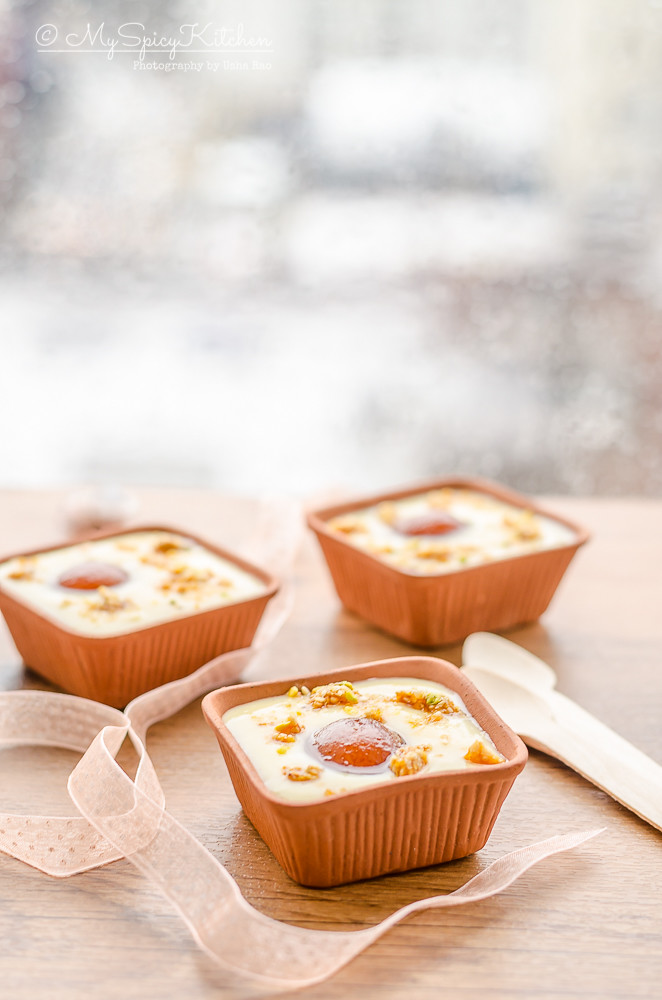
F for freeze, freeze time or freeze motion. Shutter speed of the exposure triangle is manipulated to freeze motion. Shutter speed of 1/500 or faster is recommended. Faster the shutter speed, better the motion freeze. Ideally, frozen motion is more effective when the background is blurred. I took numerous photos but could not get blurred background. The setting for the above picture are shutter speed 1/1000 sec, aperture f-1.8 and ISO 1000.

Sifting flour or flour rain is another example freeze, an archived picture from few years ago.
Camera: Nikon 5100
Picture of the day in 2012: Free choice
Picture of the day in 2011: Sparrow on the wall

Thursday, April 6, 2017

Apr 6 - E for Exposure #AtoZChallenge

Settings - shutter speed 4 seconds, f stop 16 & ISO 100
E for Exposure. Exposure is foundation of photography. Exposure is amount of light reaching the image sensor when the shutter of the camera is released (photo is clicked). Amount of light let into the camera is determined by aperture (f-stop or the opening of the lens), shutter speed and ISO, collectively known as exposure triangle.

When shooting in manual mode, these three settings are adjusted to get a well exposured photo. Just like aperture, shutter speed is adjusted to achieve a specific type of photography. Shutter speed is adjusted to capture action, motion and speed in photos and also in low light conditions. Today's photo was taken this evening, soon after sunset. As it was dark, I played with shutter speed for right exposure. In other words, this photo is a long exposure photo as the shutter speed was 4 seconds (shutter of the camera was open for 4 seconds). Since I also wanted a deep depth of field to capture the tress and clouds in the background, I used a higher f-stop, resulting in a small lens opening and less light going into the lens. Hence shutter was open for 4 seconds.

It sounds too technical but once one understands the three settings that influence exposure and exposure triangle, playing with the toy (camera) is lot more fun and at the same time frustration as well!! I tried different subjects with long exposure this evening and this was the only decent photo that could go on the blog.

Camera: Nikon 5100
Picture of the day in 2012: Bronze
Picture of the day in 2011: Spring blossoms

Wednesday, April 5, 2017

Apr 5 - D for Depth of Field #AtoZChallenge

Example of Deep DoF with f stop 6.3 & shutter 1/20 sec
D for Depth of Field. Depth of field (DoF) is one of the most important concepts in photography. DoF is the depth of the area in the photo that is in focus and sharp. DoF varies from photo to photo. There are many factors that affect DoF filed and Aperture is one of them.

Aperture is the opening of the lens and depending on the size of the opening, DoF varies. Aperture is measured in f stop. When lens opening is small, f stop number is big, resulting in a deep the DoF and conversely, when the lens opening is larger, f stop number is small resulting in a shallow DoF.

Above picture is an example of deep DoF where the entire frame is in focus. Deeper DoF is used when everything in the photo needs to be sharp and in focus, such as in landscape photography.

Example of shallow DoF with f stop 1.8, shutter 1/200 sec
Above picture is an example of shallow depth of field where the bottle in the foreground is in focus and rest of the bottles and the backdrop gradually go out of focus. Shallow DoF is used for portraits, bokeh and often for macro photography.

I usually shoot in manual mode. I used almost same set up for both the photos but different settings. Since aperture is different for both the photos, I had to adjust other settings. Aperture not only affects DoF but also the amount of light that goes into the camera, hence had to adjust teh shutter speed. I shall talk more about it tomorrow.

Camera: Nikon 5100, 50mm f/1.8 prime lens
Picture of the day in 2012: Devil, the one with horns
Picture of the day in 2011: Wet flowers

Tuesday, April 4, 2017

Apr 4 - C for Candid #AtoZChallenge

C for candid photography. Candid photography is taking unposed photos of people. These are informal photos where the subject is unaware they are being photographed. Candid photos capture some amazing emotions and expressions of people, as they are natural.

Some tips when taking candid photographs are keeping the camera at hip level. This doesn't alert the subject resulting in natural poses and second, this angle gives some interesting photos. Always keep the camera ready to shoot and wait for the that special moment to capture it. Always take multiple images or shoot in burst mode. Recommended lens is telephoto lens or zoom in if using a point and shoot camera.

I am very uncomfortable taking candid photos of strangers and that too posting on a blog. The best subjects for this photography are family and friends as they would not mind you taking there candid shots. Candid photography is quite popular during weddings and special events. Some people hire two sets of photographers; one for formal photos and other for informal or candid photos.

Camera: Sony Mark 3 RX 100
Picture of the day in 2013: Bridges
Picture of the day in 2012: Industrial
Picture of the day in 2011: Random click: flowers

Monday, April 3, 2017

Apr 3 - B for Bokeh #AtoZChallenge

B is for Bokeh. It is pronounced booke, boo as in bow and ke as in kettle. Bokeh is derived from a Japanese word boke which means blur. In photography, bokeh is the affect of the blur that is created in parts of the image that are out of focus. There are many definitions to bokeh and one of them is "the way the lens renders out-of-focus points of light". Visual affects of a bokeh depends largely on type of lens and it's fastness.

Most common examples of bokeh are holiday lights where out of focus area forms bubbles or circles. My first image doesn't have any circle/bubbles in the out of focus parts of the image but it does have a nice blur. Not sure if this is a good bokeh or a bad bokeh. By the way, cherry blossoms are just beginning to blossom in Central Park and this year they are late. Looking forward to my walks in the park when the blossoms are in full bloom.

Below are more examples of bokeh from the archives, though non with holiday lights :(

This image is from last May. Natural light coming through the leaves created a bokeh effect, white circles.
This image is from 2015 summer
All the above images are with Sony Mark 3 Rx 100. As mentioned above, the shape and size of bokeh depends on the lens used. A prime lens is usually recommended and mode of shooting should either be manual or aperture priority. Always try to use an aperture of 2.8 or below. The below image is from my food blog, I shot with my Nikon 5100 using a 50mm prime lens f/1.8. Here I used an aperture or f stop of 3.5. You can see some white circles on the left top corner and in the center right of the image. Below image is also an example of B for backlight, where the source of light is behind the subject.
Camera: Sony Mark 3 RX 100
Picture of the day in 2013: Bridges
Picture of the day in 2012: Grass
Picture of the day in 2011: Tax documents

Saturday, April 1, 2017

Apr 1 - A for Abstract #AtoZChallenge

For the past three years, every year I did a month long cooking marathon in April with my blogging group. Last year our theme was A-Z cooking, hence joined A-Z challenge as well. Even this year, by blogging group is doing A-Z baking challenge but I decided to sit out. However, I did not feel like skipping A-Z challenge and was planning to do this challenge despite skipping the baking marathon. However, I got distracted with lot of other stuff and did not prepare for this challenge. I was unsure if I can participate with very little preparation. I almost drop the idea of doing this challenge however, I could not resist. Here I am, un-prepared with no proper list and no scheduled posts. Well, isn't it lot more challenging and fun doing a challenge with no planning what so ever? So here I am, jumping into the challenge in the last minute! Wish me luck and hope to finish it to the end.

Since this is a photo blog, the theme is obviously photography. I shall try to focus on different types of photography in an alphabetical order.

A is for abstract photography. It is difficult to define abstract photography. Just like abstract art, abstract photography is way of expressing ideas using lines, patterns, textures, colors and more. The subject in the photos are often out of focus or details are deliberately eliminated to intrigue the viewer. There is no right and wrong way to photograph abstract photos and if the viewer says wow, that is a beautiful photo! What is it? Then you have succeeded in taking an abstract photo! And I hope succeeded as well! :)

Update - I first picked the above image but now I like the below one as well. The second looks more abstract than the first. So posting this as well.
Camera: Sony RX 100 iii
Picture of the day in 2015: Food
Picture of the day in 2012: Frame
Picture of the day in 2011: Playing cards

Saturday, March 11, 2017

Mar 11 - Green Cupakes

Green velvet cupcakes for cooking blog. Will update the recipe soon. Recipe updated.
Camera: Nikon 5100
Picture of the day in 2016: B&W Photography
Picture of the day in 2012: Path
Picture of the day in 2011: Signs of spring

Wednesday, March 8, 2017

Mar 8 - Black & White, random click on Union Sqaure

Another random click on Union Square.
Camera: Sony RX100 iii
Picture of the day in 2014: White on white
Picture of the day in 2012: Art
Picture of the day in 2011: Random click

Tuesday, March 7, 2017

Mar 7 - Black & White, Union Sqaure

Union square subway station entrance on 14th street.
Camera: Sony RX 100 iii
Picture of the day in 2014: Food styling: sweet
Picture of the day in 2012: Rain
Picture of the day in 2011: Reflection